ExpoFP at IMEX America: Beyond the Exhibition Floor
At IMEX America 2026, ExpoFP CEO Ross Sudentas and Marie Oyinlola explored how interactive floor plans, sponsorship opportunities, and collaboration between sales and operations can drive event revenue and improve the attendee experience.
IMEX has been part of ExpoFP's journey for years, bringing opportunities to reconnect with industry colleagues, meet event professionals, and exchange ideas about the future of exhibitions.
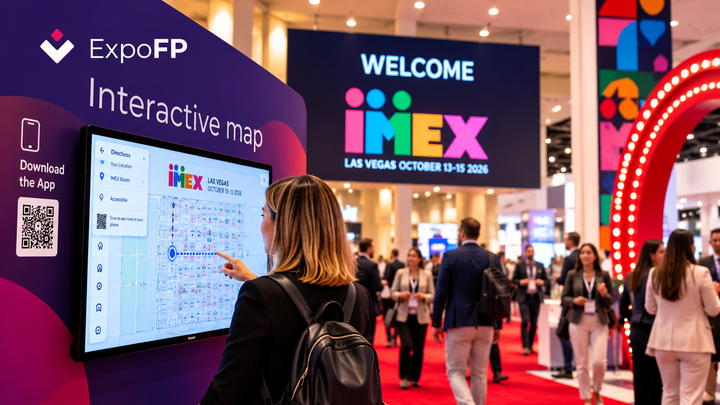
At IMEX America 2026, ExpoFP's participation went beyond providing the event's interactive floor plan. It also opened the door to a broader conversation about how event technology, sponsorship strategies, and operational planning can contribute to business growth.
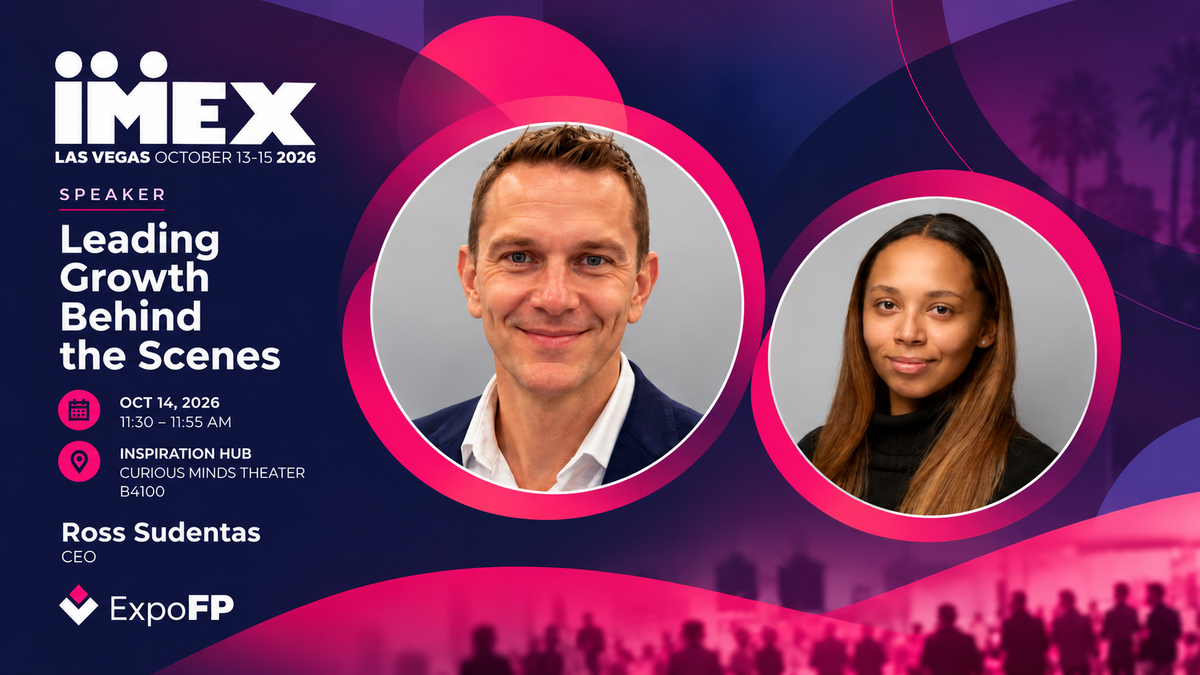
On October 14, ExpoFP CEO Ross Sudentas joined Marie Oyinlola of Churie Events for an educational session titled “Leading Growth Behind the Scenes.”
Held at the Inspiration Hub's Curious Minds Theater, the session explored how organizers can uncover new revenue opportunities within their existing event platforms, develop more valuable sponsorship offerings, and bring sales and operations together to deliver them successfully.
The discussion combined Ross's perspective on interactive floor plans and event technology with Marie's experience in international event management and sponsorship strategy.
Turning the Floor Plan Into a Revenue Opportunity
For many event organizers, a floor plan is primarily an operational tool: a way to organize booths, allocate exhibition space, and help attendees navigate the venue.
During the session, Ross encouraged organizers to look beyond those traditional functions and consider the commercial potential of the platforms they already use.
“In the back office view, the floor plan is just a drawing. In a growth view, the floor plan is a storefront.”
An interactive floor plan can support much more than navigation. Booth reservations, exhibitor rebooking, and sponsorship placements can all become part of a broader revenue strategy.
Ross also explored how AI could help organizers make more strategic pricing decisions by identifying high-demand and low-demand areas of the exhibition floor.
“You can actually use AI to analyze the floor plan to see where you have hot zones, and when you have cold zones.”
This could allow organizers to adjust booth pricing based on demand and location, rather than relying solely on booth size.
Real-time availability also makes the booking process more practical for both organizers and exhibitors. Rather than relying on static documents that quickly become outdated, organizers can manage booth availability through an interactive platform.
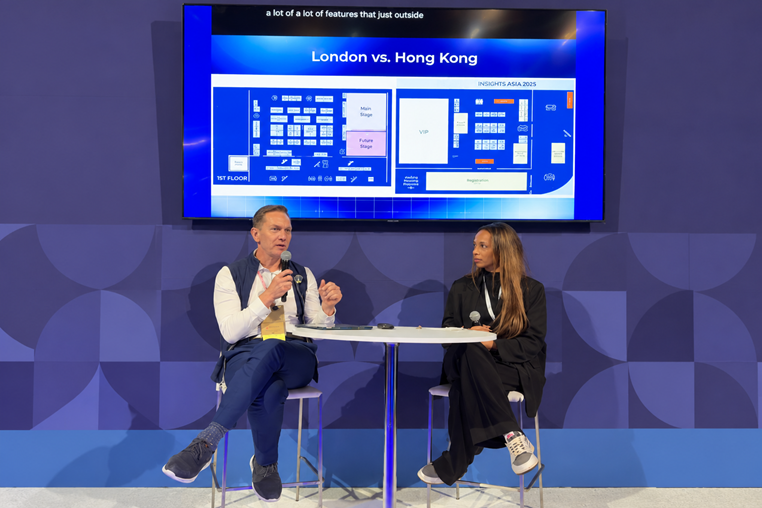
As Ross explained:
“When you show them a PDF, it's always outdated. You end up with double bookings.”
Exhibitor rebooking was another opportunity Ross highlighted. By offering scheduled reservation windows for the following year's event, organizers can encourage exhibitors to secure their preferred spaces while the current exhibition is still underway.
Ross explained how this approach can create a sense of urgency and help organizers secure a substantial portion of next year's exhibition space before starting the next sales cycle.
By connecting exhibition planning with commercial opportunities, organizers can turn a familiar operational resource into a more active part of their business.
Making Sponsorships More Valuable
Another important topic was the potential for sponsorship opportunities within digital event platforms.
Ross pointed out that organizers already have access to valuable digital spaces through their event apps and interactive floor plans, yet these opportunities are not always fully explored.
To illustrate the point, he made a comparison with online advertising:
“If Google would suddenly decide not to run any ads, that would be absurd.”
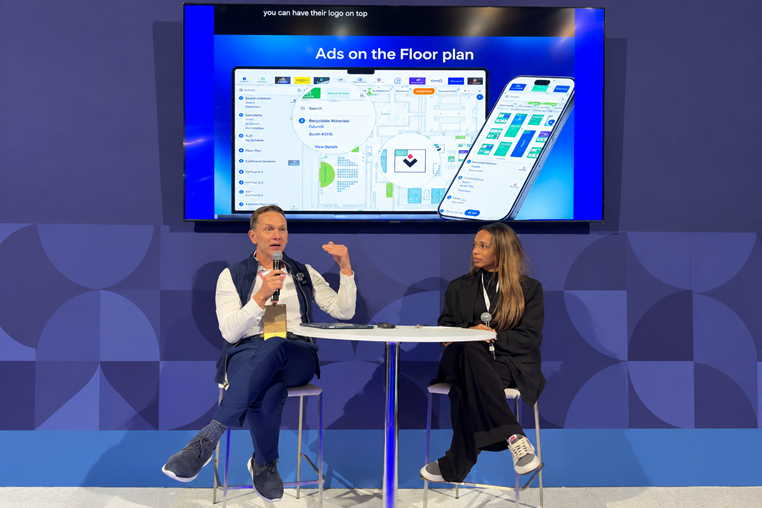
The same principle can apply to event technology. Interactive maps offer several opportunities to give sponsors greater visibility while helping attendees discover relevant exhibitors.
These can include exhibitor logos displayed directly on booths, featured positions in search results, and enhanced company profiles containing videos, brochures, and additional information.
“There's a lot of surfaces here where you can have ads.”
Rather than treating these features as standard inclusions, organizers can incorporate them into structured sponsorship packages, creating additional value for exhibitors and new revenue opportunities for their events.
For more ideas, explore our article on event sponsorship packages, tiers, and pricing examples.
Ross Sudentas highlights sponsorship opportunities through interactive floor plans during his session with Marie Oyinlola.
Ross also encouraged organizers to reconsider how they account for the commercial value of their floor plans.
“Just start selling it and put it on your revenue sheet, not on your expense budget.”
The message was straightforward: event technology does not have to be viewed exclusively as an operational cost. With the right approach, it can also contribute directly to an event's revenue.
Beyond the Exhibition Floor: Supporting the Attendee Journey
Although revenue generation was a central theme, the discussion also addressed the importance of delivering a better experience for attendees.
An event journey rarely begins and ends at the exhibition hall. Visitors move between hotels, transportation hubs, meeting rooms, educational sessions, and networking events, often across multiple locations.
Interactive maps can help connect these different parts of the experience, making it easier for participants to understand where they need to go and how to get there.
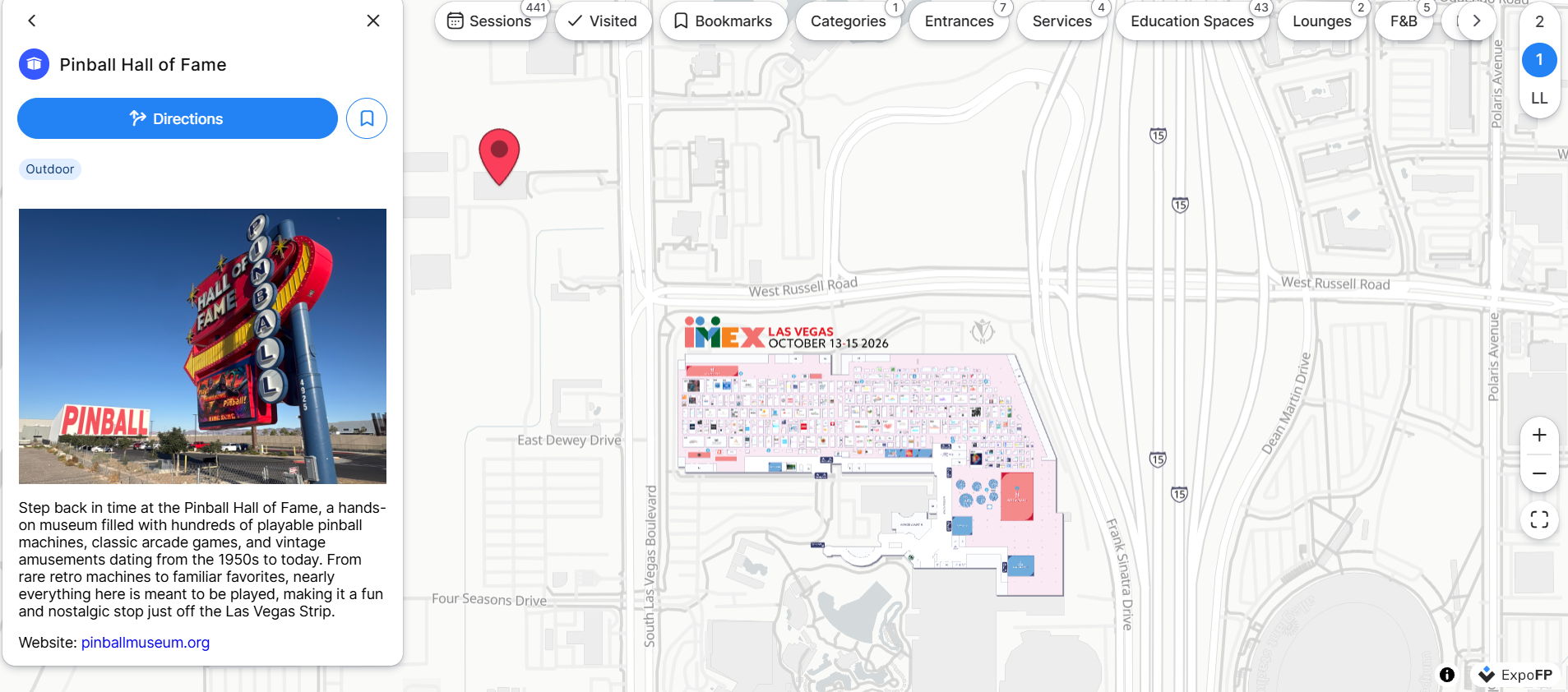
Ross referenced developments introduced for IMEX America 2026, including additional meeting spaces and points of interest around Las Vegas, as examples of how event navigation can extend beyond the exhibition venue.
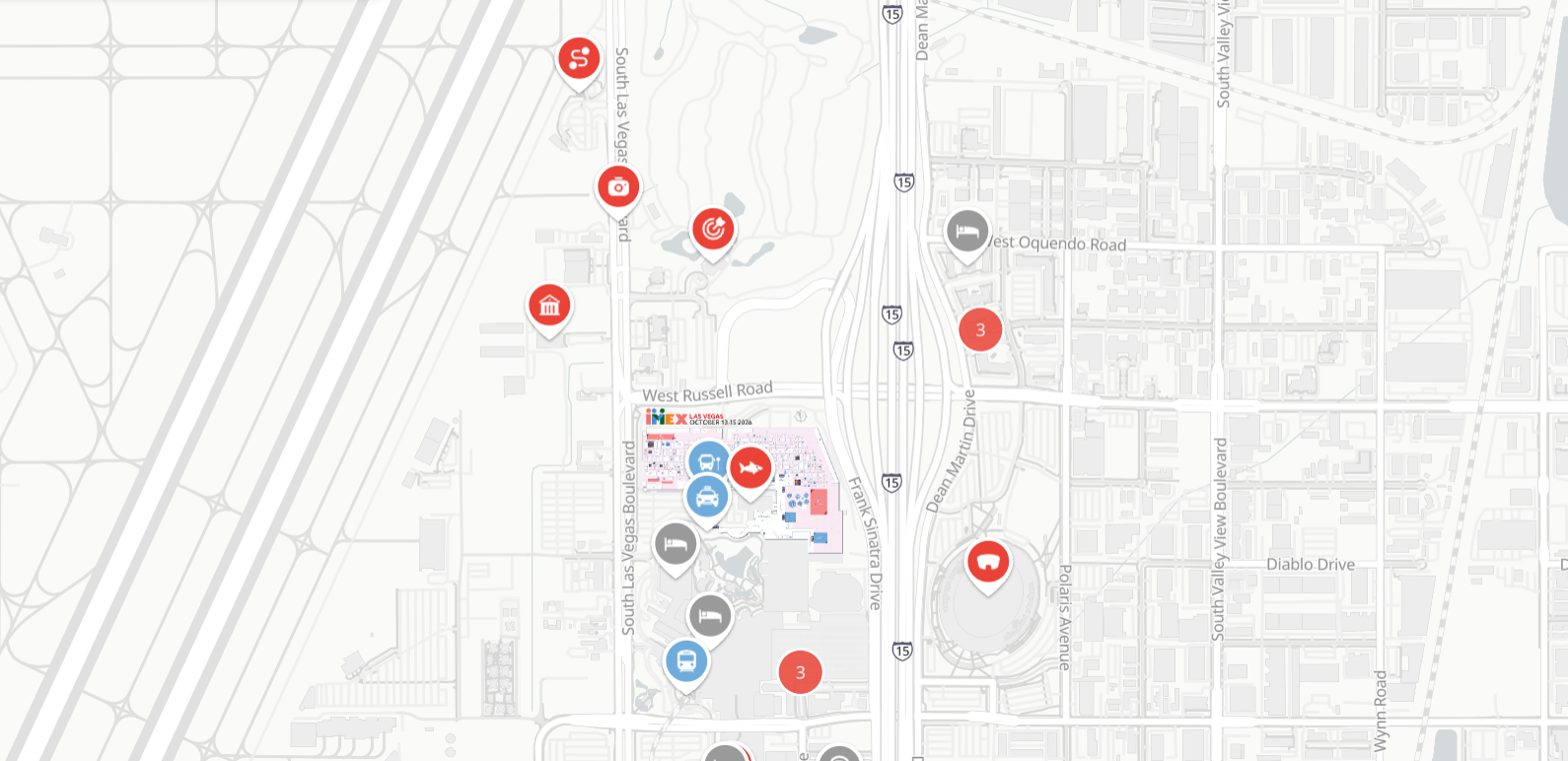
He also emphasized three essential questions that event technology should help attendees answer: Where is it? When does it start? How do I get there?
Addressing these questions can make the event experience more convenient while helping organizers connect the different activities taking place throughout their programs.
For a closer look at the technologies behind these experiences, read our guide to indoor navigation for events.
Connecting Sales and Operations
Creating new sponsorship opportunities is only one part of the process. Delivering them successfully requires coordination between the teams responsible for selling and implementing them.
Marie Oyinlola brought this operational perspective to the discussion, drawing on her experience managing international conferences and developing sponsorship strategies.
She highlighted the importance of involving operations teams early in conversations about sponsorship inventory, pricing, and deliverables.
When sales and operations work together from the beginning, organizers are better positioned to create packages that are both commercially attractive and realistic to deliver.
“There's no sales without operation. There's no operation without sales.”
This collaboration is particularly important when sponsorship opportunities involve digital placements, exhibitor visibility, or other features that require coordination across multiple teams.
By aligning commercial goals with operational capabilities, organizers can build sponsorship programs that deliver value without creating unnecessary complications during the event.
Looking Beyond Traditional Event Operations
The session at IMEX America 2026 highlighted an important shift in how event organizers can approach the technology and resources already available to them.
Interactive floor plans, sponsorship placements, and attendee navigation are often treated as separate parts of event planning. In practice, they can work together to support both the attendee experience and an event's commercial objectives.
The discussion between Ross and Marie reinforced the value of connecting these areas, bringing together technology, sales, and operations to identify opportunities that are practical, measurable, and beneficial to everyone involved.
For ExpoFP, participating in IMEX America was not only an opportunity to support the exhibition through its interactive floor plan, but also to contribute to conversations about how the events industry can continue to grow.
Watch the Full Session
Want to hear more from Ross Sudentas and Marie Oyinlola? Watch their full “Leading Growth Behind the Scenes” session at IMEX America 2026.